[March 11, 2026]
Beyond the Airframe: Scaling Mission Autonomy for CCAs
Author: Lt Col Ben “Billy Ray” Bradley, USAF (ret)
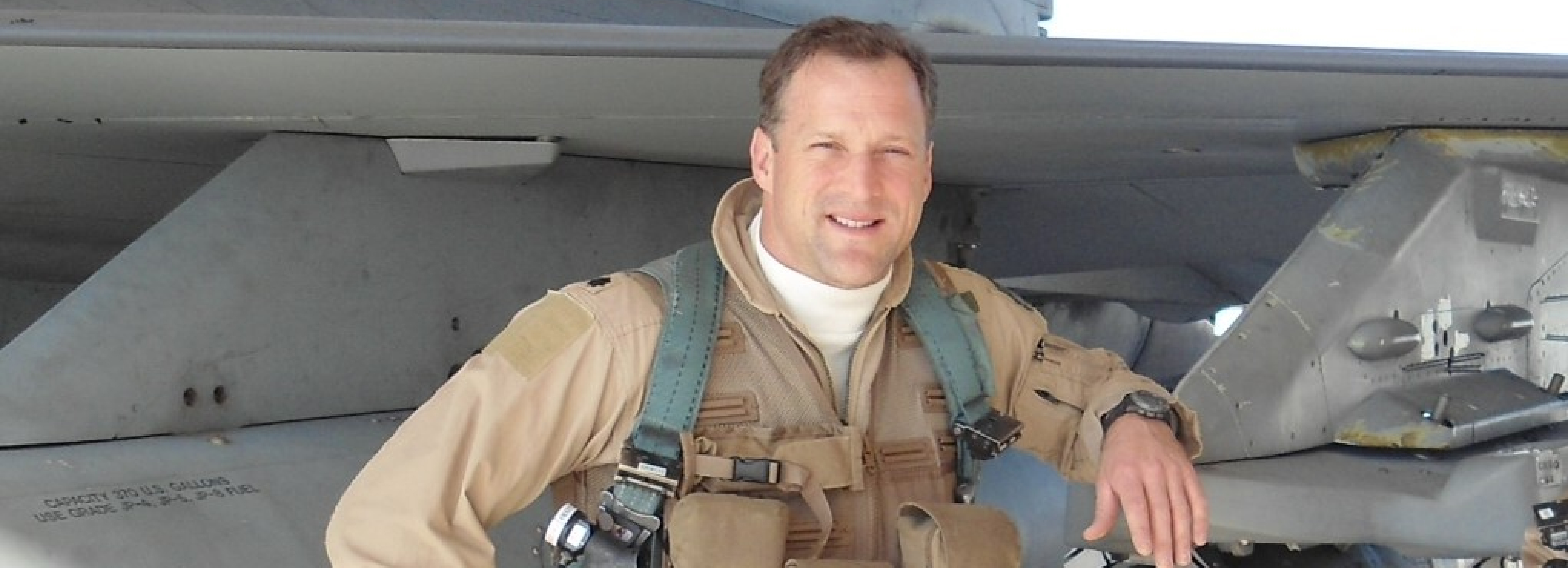
Years in the jet teach you one thing above all else: the enemy gets a vote.
I spent the better part of my career strapped into an F-16, training day in and day out to be ready when the call came. Air combat doesn’t sit still. Every generation brings new aircraft, new tactics, new threats. For decades, we owned the skies because our platforms, our training, and our operational concepts set the pace. That edge has eroded as near-peer adversaries have built modern fighters and layered air defenses. Collaborative Combat Aircraft (CCA), unmanned wingmen teaming with legacy fighters, change the math by delivering the affordability, scale, survivability, and flexibility we need to restore and maintain overmatch.
That shift is happening now. As part of the Air Force’s CCA program, Shield AI recently flew Hivemind, its AI pilot, on Anduril’s YFQ-44A. It completed every test objective and demonstrated full mission autonomy, clearing the way for expanded testing. I’ve been close to CCA development for nearly seven years, and this is one of the most significant steps I’ve seen, both technically and culturally. The Air Force selected Shield AI as a mission autonomy provider for CCAs, and in doing so, separated mission autonomy from the hardware platform for the first time. That decision elevated mission autonomy to a foundational warfighting capability on par with the aircraft themselves. Integrating Hivemind on the YFQ-44A and getting it airborne makes that shift tangible. As the customer puts it, this is “software sold separately.”
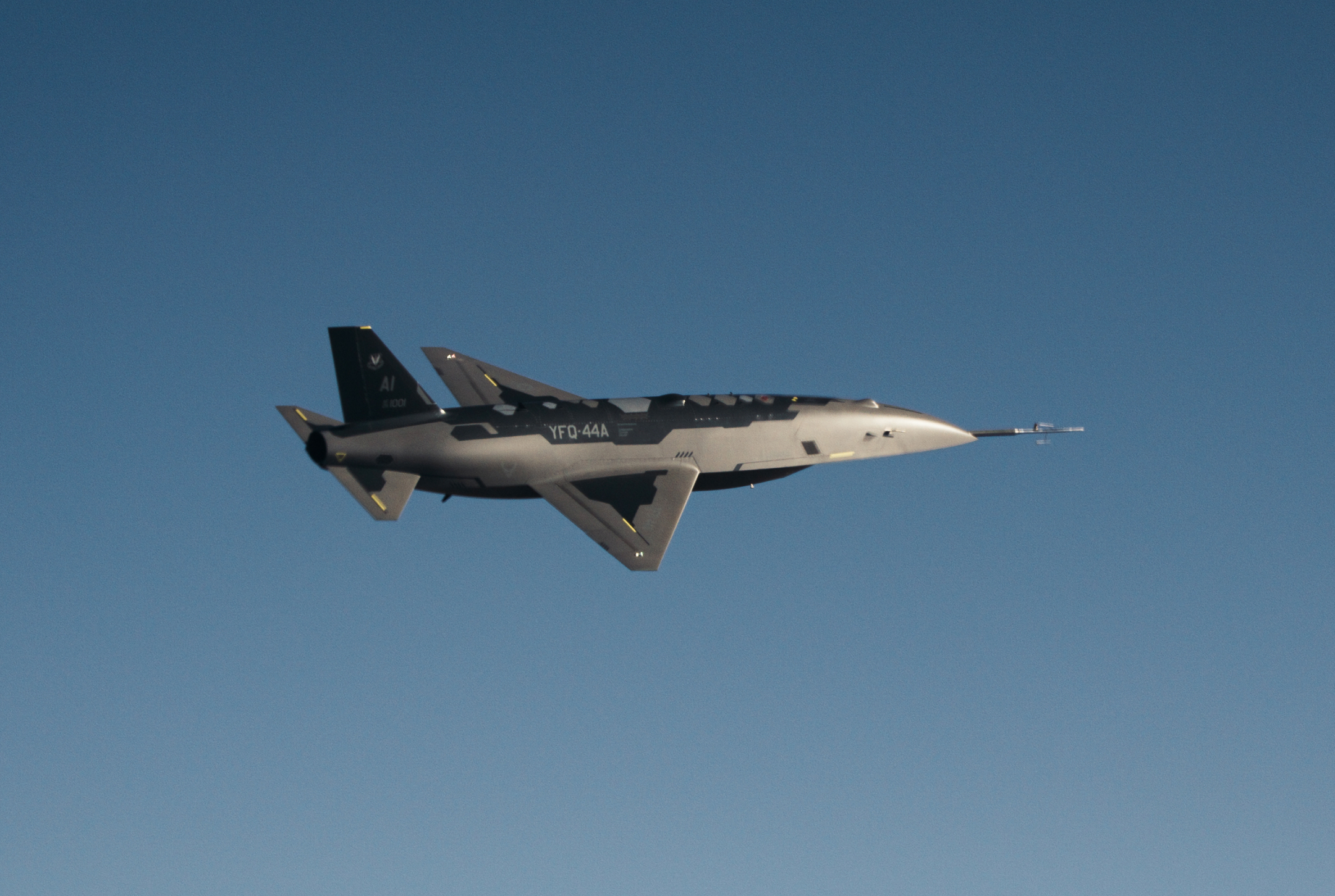
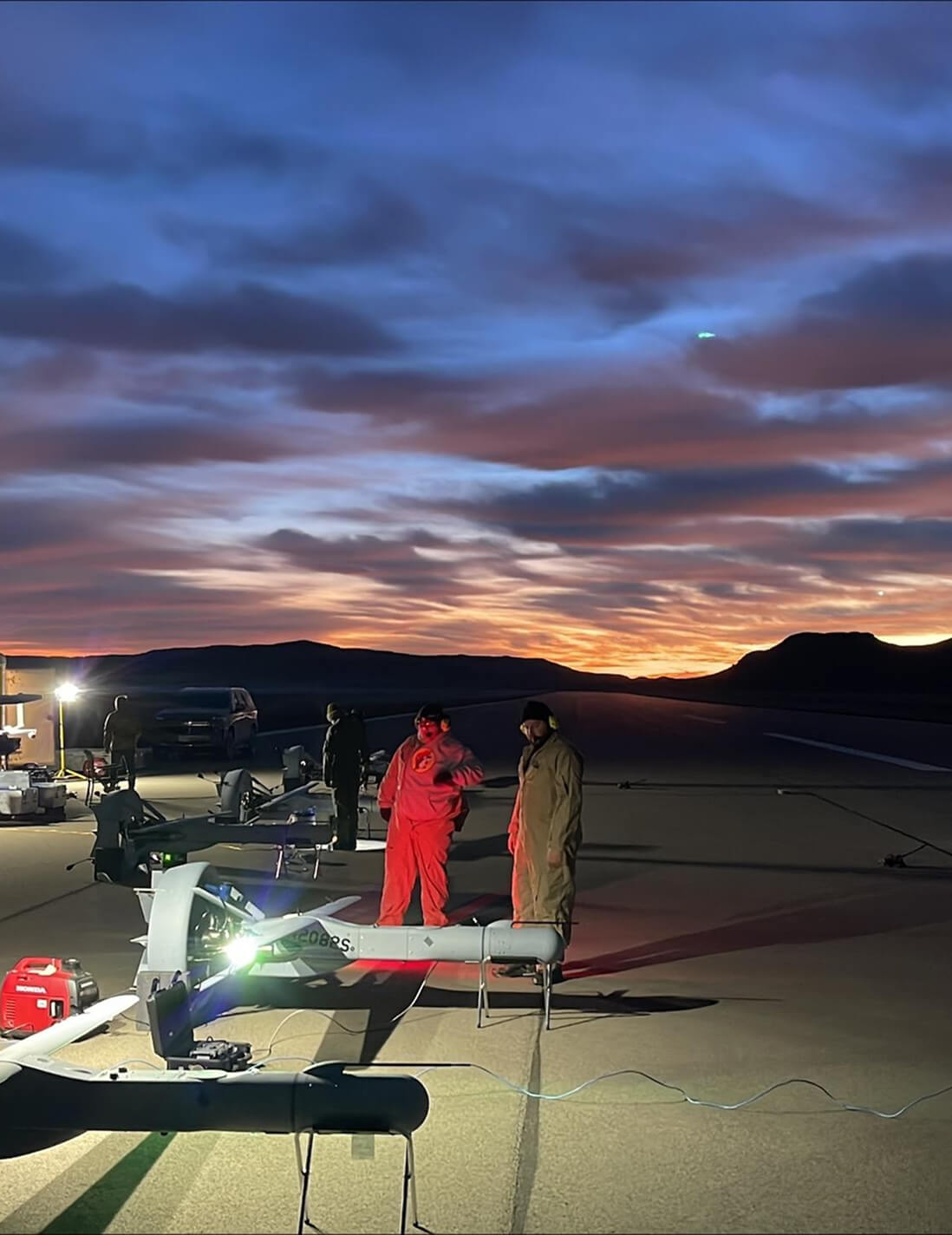
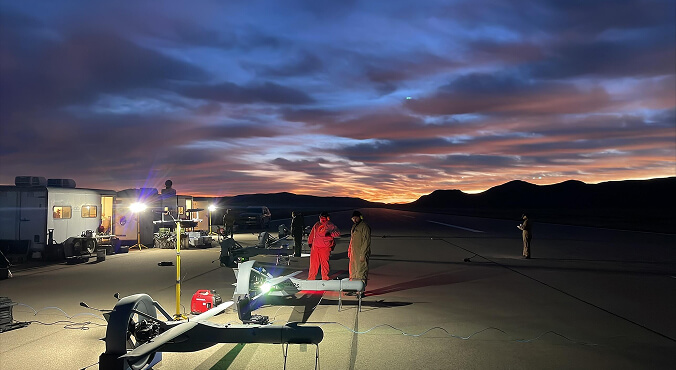
Over the Mojave Desert, Shield AI’s Hivemind demonstrated full mission autonomy aboard Anduril’s YFQ-44A.
That distinction between mission autonomy and platform autonomy matters. Platform autonomy keeps the jet stable, controlled, and airworthy. Mission autonomy is the AI pilot making tactical decisions in real time. Hivemind understands commander intent, adapts, and executes in environments where the datalink goes dark and the threat picture changes fast. Building mission autonomy that works in actual combat conditions – not a simulator, not a controlled test range – is genuinely hard. It demands deep operational understanding, rigorous testing, and software built to scale across platforms and domains. Shield AI has spent over a decade earning that credibility. We’re proud to bring it to the CCA fight.
CCAs also fit into a broader architectural shift through the Autonomy Government Reference Architecture (A-GRA). Instead of locking capability into vendor-specific platforms, the Air Force is defining open standards that let software scale across the force. The same way open standards transformed commercial technology, A-GRA is designed to do that for military autonomy.
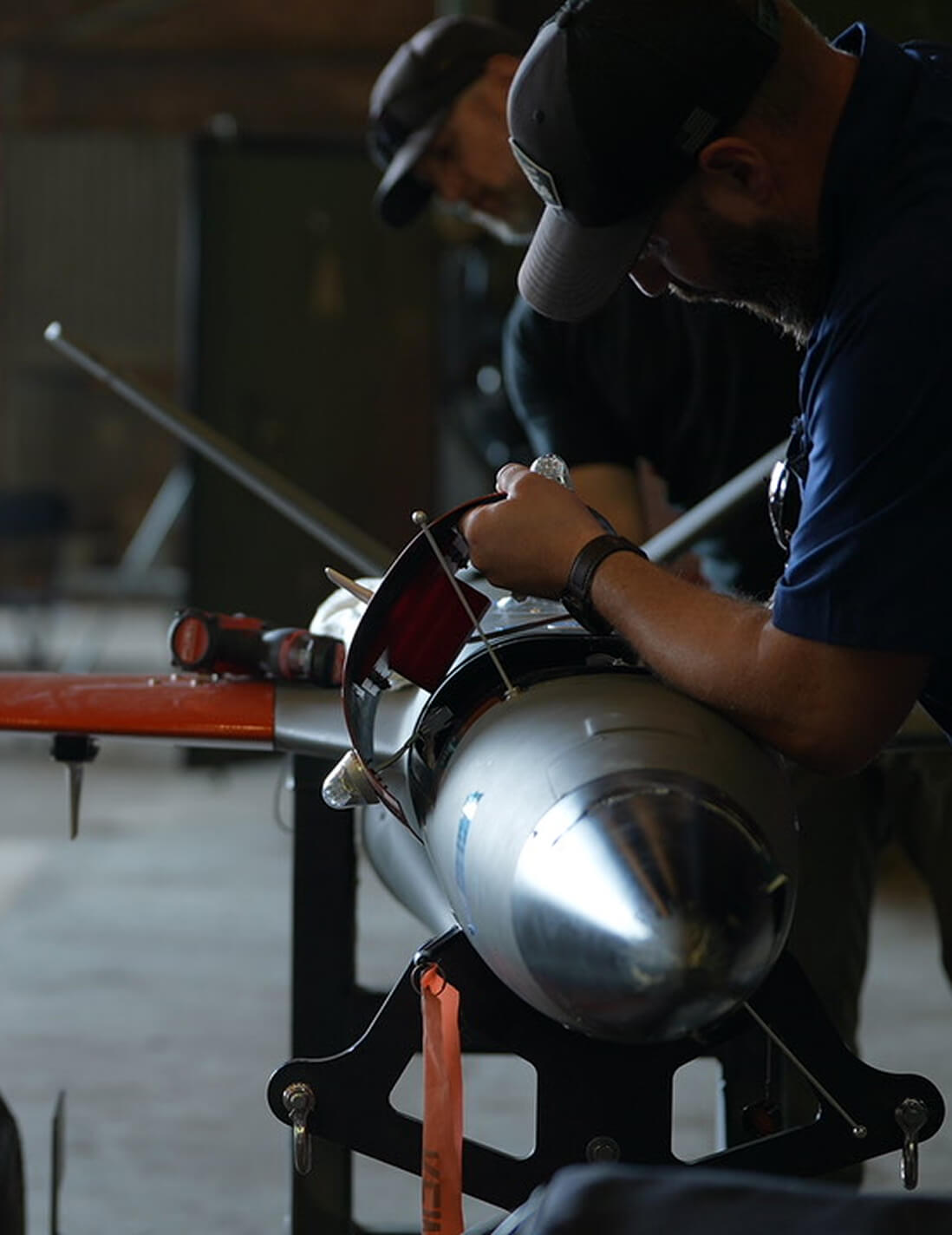
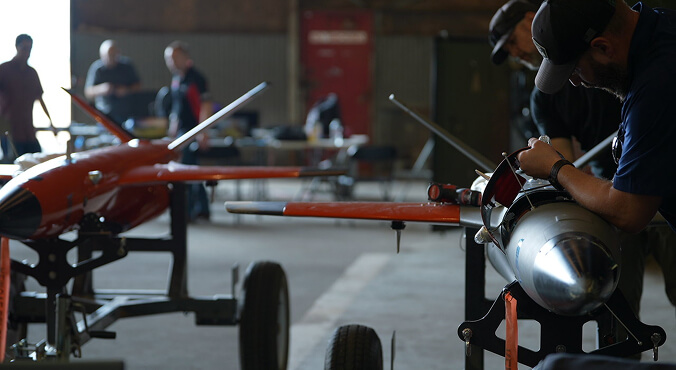
This approach changes the economics of air combat. A hardware upgrade takes years. A software-defined autonomy upgrade built on a standard architecture can happen in weeks. That means lower integration costs, faster fielding, and more vendors competing to solve our hardest operational problems. Shield AI has been at the forefront of shaping and implementing this architecture. Hivemind has already integrated on more than 20 platforms, including the General Atomics MQ-20 Avenger, Northrop Grumman Talon IQ, the U.S. Navy BQM-177 test aircraft, and the Airbus UH-72A Lakota.
The future of air dominance is coordinated, fast-reacting manned-unmanned teams that overwhelm an adversary with mass, tempo, and decision advantage — freeing human pilots to command the fight rather than just fly the jet. From the cockpit, that’s the kind of wingman I always wanted. It’s the future I’m proud to be helping build at Shield AI.
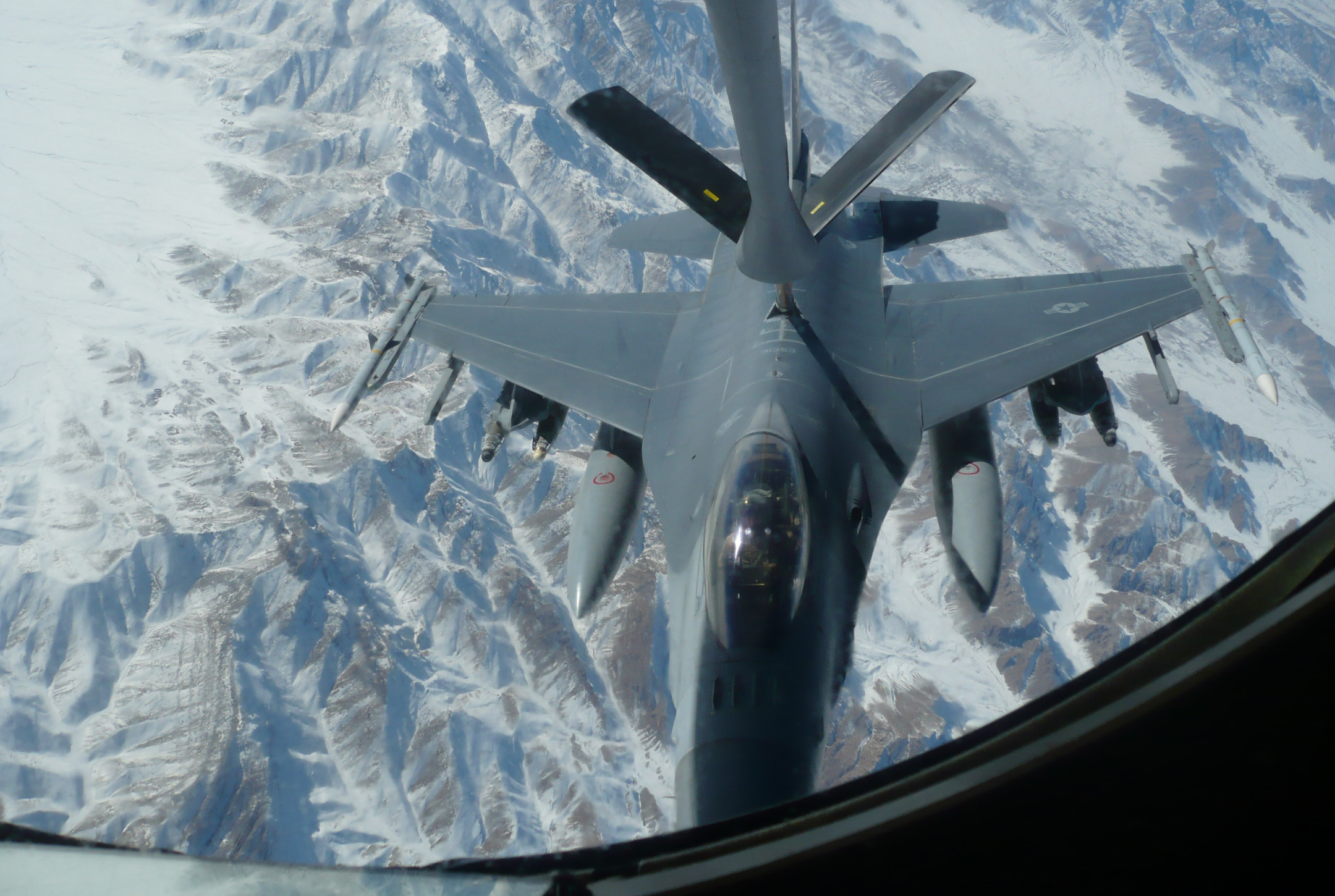
Ben “Billy Ray” Bradley flying an F-16 mission over Afghanistan.
About the author:
Ben “Billy Ray” Bradley is a former F-16 Commander and Weapons Officer with deep expertise in tactical air operations. As Director of Air Dominance Accounts at Shield AI, he works to operationalize Hivemind autonomy for Collaborative Combat Aircraft and advance the fielding of X-BAT – the world’s first AI-piloted VTOL fighter jet.