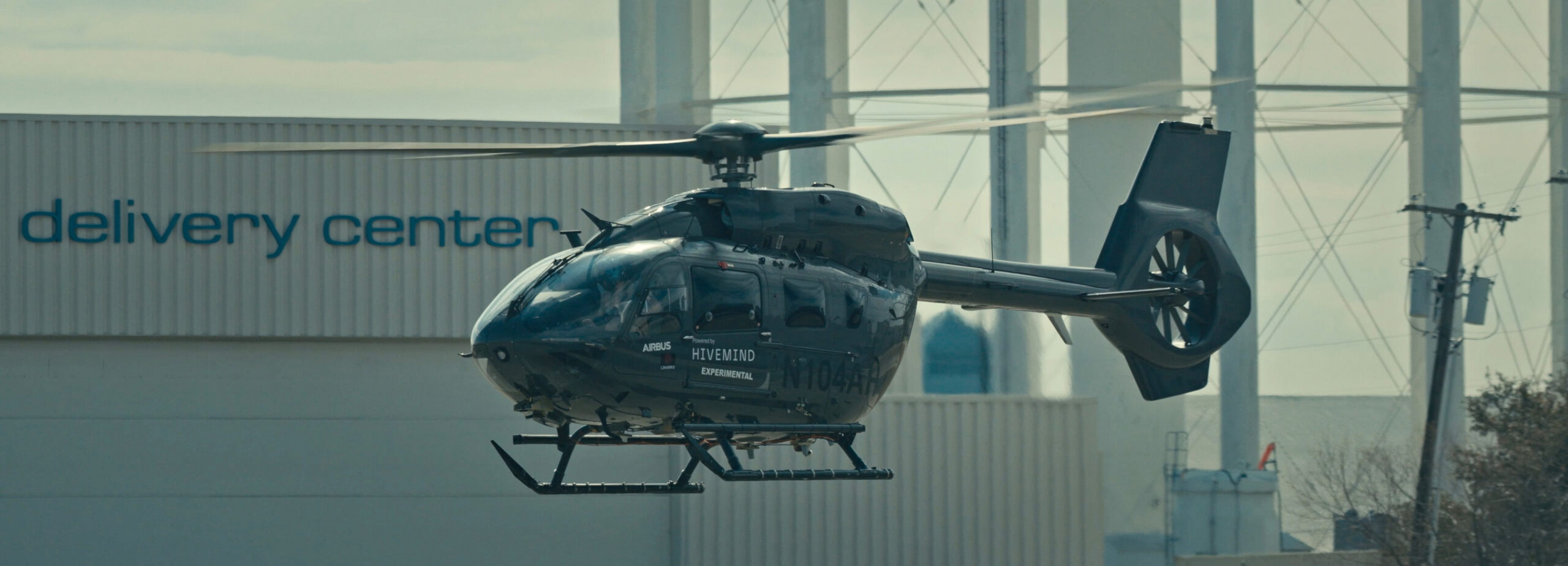
As part of the U.S. Marine Corps’ Aerial Logistics Connector (ALC) program that aims to provide logistics to distributed units in a contested environment, Shield AI, Airbus U.S. Space & Defense, L3Harris Technologies, and Parry Labs completed their fourth autonomous flight test period on the H145 helicopter.
For the first time, the H145 flew with systems from all four companies fully integrated on the aircraft. During testing, Hivemind mission autonomy successfully detected landing zone obstacles in real time and maneuvered the helicopter to an alternate landing zone without crew commands.
The flight campaign demonstrated how mission autonomy, perception systems, mission avionics, and flight controls can operate together on an aircraft to support future autonomous logistics operations.
Hivemind Enables Autonomous Flight in Contested Environments
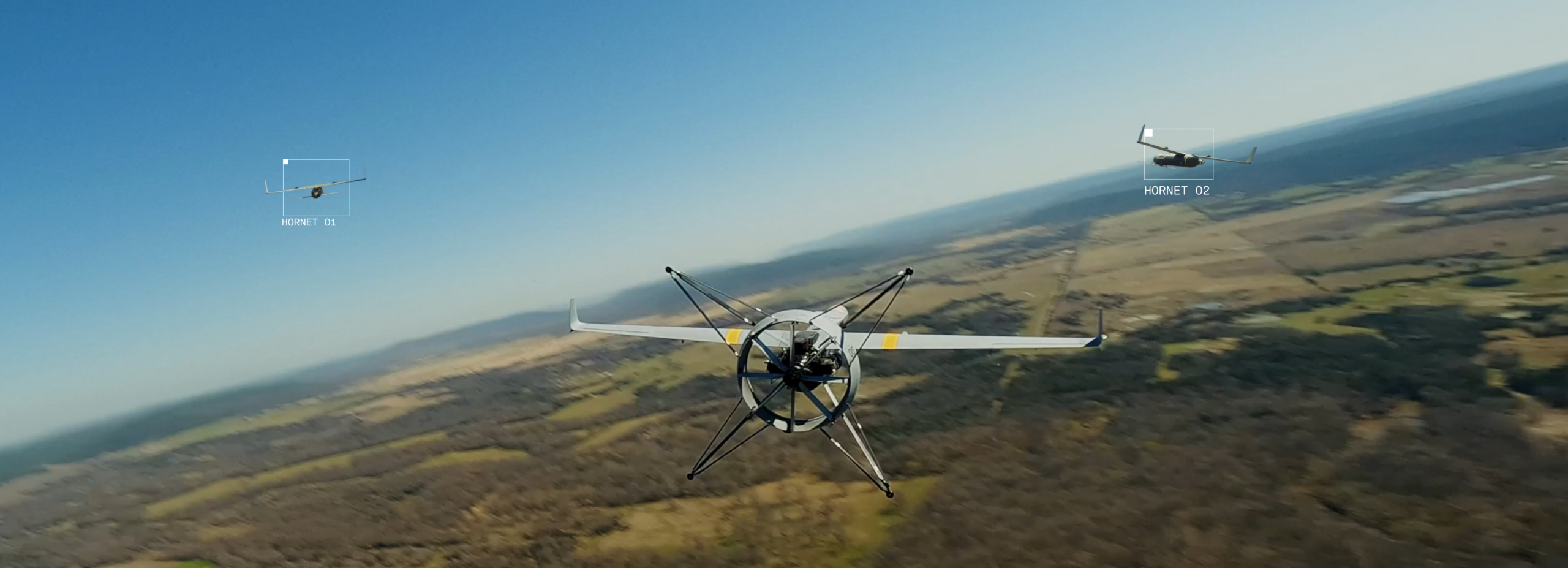
Hivemind is Shield AI’s mission autonomy software that enables unmanned systems to see, think, and act independently in complex operational environments. It can dynamically re-route around threats and no-fly zones, avoid obstacles, respond to changing conditions, and complete missions without operator input.
Hivemind has been integrated on more than 30 unmanned systems to date, from one-way attack drones to collaborative combat aircraft, through work with defense manufacturers, the U.S. government, and international partners.
On the existing H145 helicopter, Hivemind functions as the AI pilot while the onboard perception system acts as its “eyes,” using sensors and cameras to assess landing zone safety in real time.
Flight Testing Demonstrated Autonomous Landing Zone Clearance
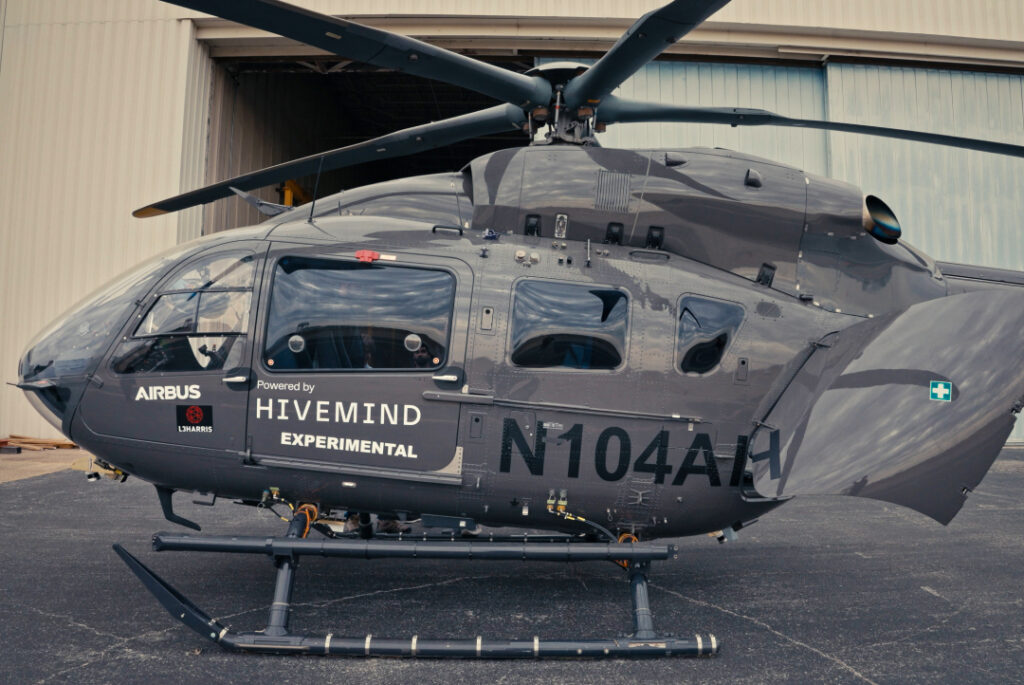
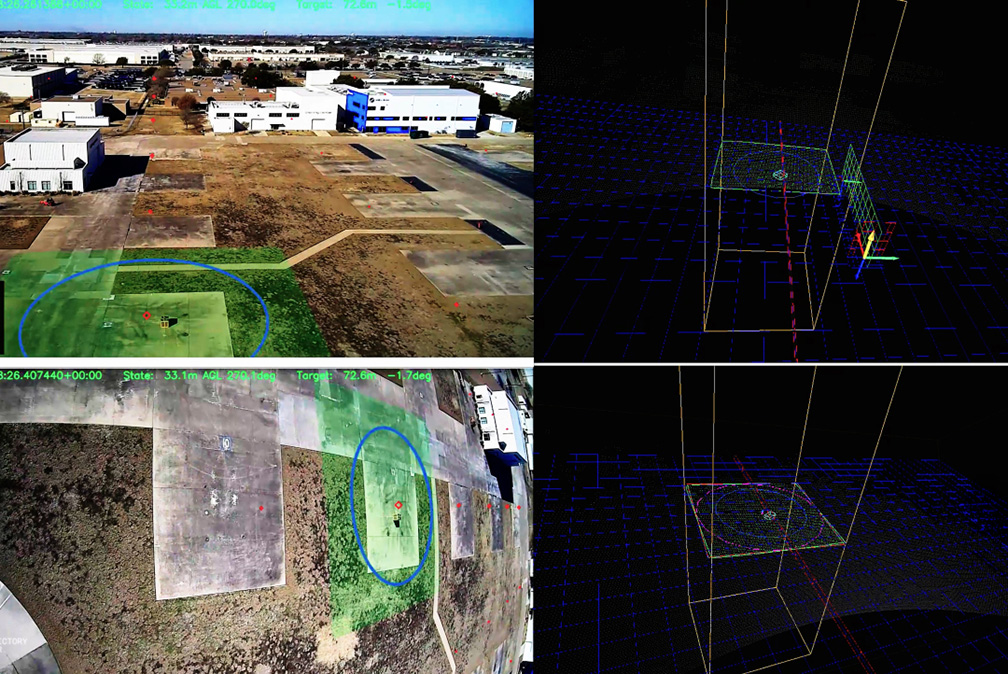
During the fourth flight test period, the team focused on validating autonomous landing zone clearance capabilities required for future logistics operations. With Hivemind serving as the AI pilot, the H145 flew a point-to-point logistics mission while the onboard perception system scanned the landing area to determine whether it was safe for landing operations. Using sensors and cameras, the aircraft detected obstacles in and around the landing zone in real time without crew commands.
L3Harris mission avionics systems located in the rear of the aircraft were connected to perception sensors through a digital backbone, enabling Hivemind autonomy software running on Parry Labs mission compute systems to process sensor data and maneuver the aircraft accordingly.
To evaluate system performance, the team conducted multiple test runs across different headings, altitudes, and approach distances while varying the size and placement of obstacles within the landing zone. Test scenarios started with a large SUV positioned in the center of the landing area and progressed to more challenging land configurations, with smaller objects placed at varying distances from the touchdown zone.
The testing validated that Hivemind could both autonomously fly the H145 and use integrated perception and mission systems from multiple mission partners to identify hazards, clear landing zones, and safely execute autonomous landings.
Industry Collaboration Accelerated Integration on the H145
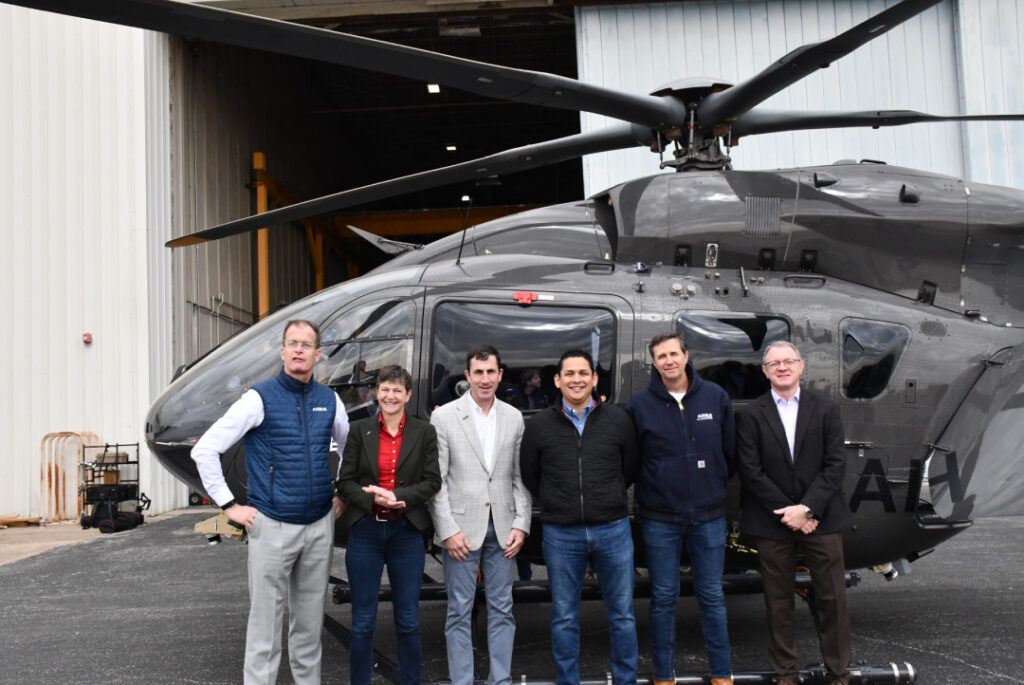
On the ALC program, Shield AI serves as the autonomy lead and worked with Airbus, L3Harris, and Parry Labs to integrate Hivemind autonomy, perception systems, communications, and mission avionics into an operational H145 platform.
The fourth flight test period progressed rapidly in part because of the H145’s Modular Open Systems Approach (MOSA) and Hivemind’s open systems architecture, which together enabled seamless integration with the aircraft’s existing flight controls, avionics, and mission systems. By interfacing with the aircraft’s four-axis autopilot, Hivemind digitally managed flight-path inputs that would traditionally be adjusted manually by a pilot during climb, traffic-pattern, and approach operations.
The flight campaign also demonstrated how autonomy can function as a software-defined capability layered onto existing aircraft platforms without requiring entirely new airframe designs. As the autonomy lead, Shield AI helped move the program from integration to flight testing, demonstrating how autonomy can be fielded rapidly through close collaboration with industry partners.
“We were pleasantly surprised by how easy it was to integrate Hivemind into the loop. When we integrated it for the first time, Hivemind managed the flight path of the aircraft.”
– James Merkel, Airbus Flight Test Engineer
Building Operational Autonomous
Logistics Capability
For defense manufacturers, the H145 program validates Hivemind’s ability to integrate onto proven aircraft platforms while working within existing architectures, certification processes, and safety requirements. The H145 serves as a model for bringing similar autonomy capabilities to other rotorcraft and fixed-wing aircraft.
For domestic and foreign militaries, the flight campaign provides a practical example of how autonomous logistics operations can increase survivability by reducing the need to place crews on contested resupply routes. Future testing will expand these capabilities beyond prepared landing pads to unprepared environments such as fields and austere forward operating zones. Integrating Hivemind on the H145 also establishes a path toward future autonomous mission sets, including sling-load operations and expanded flight operations in GPS- and communications-denied environments.
This case study is part of a series highlighting the unique challenges and accomplishments of integrating Hivemind onto different unmanned systems. Each installment delves into the technical innovations, collaborative efforts, and mission successes that define our work and our teams.