[November 9, 2026]
Shield’s Hivemind flies multiple Air Force CCAs as a coordinated team for the first time
Milestone follows an earlier flight in which an F-22 pilot directed a FQ-44A Fury in flight
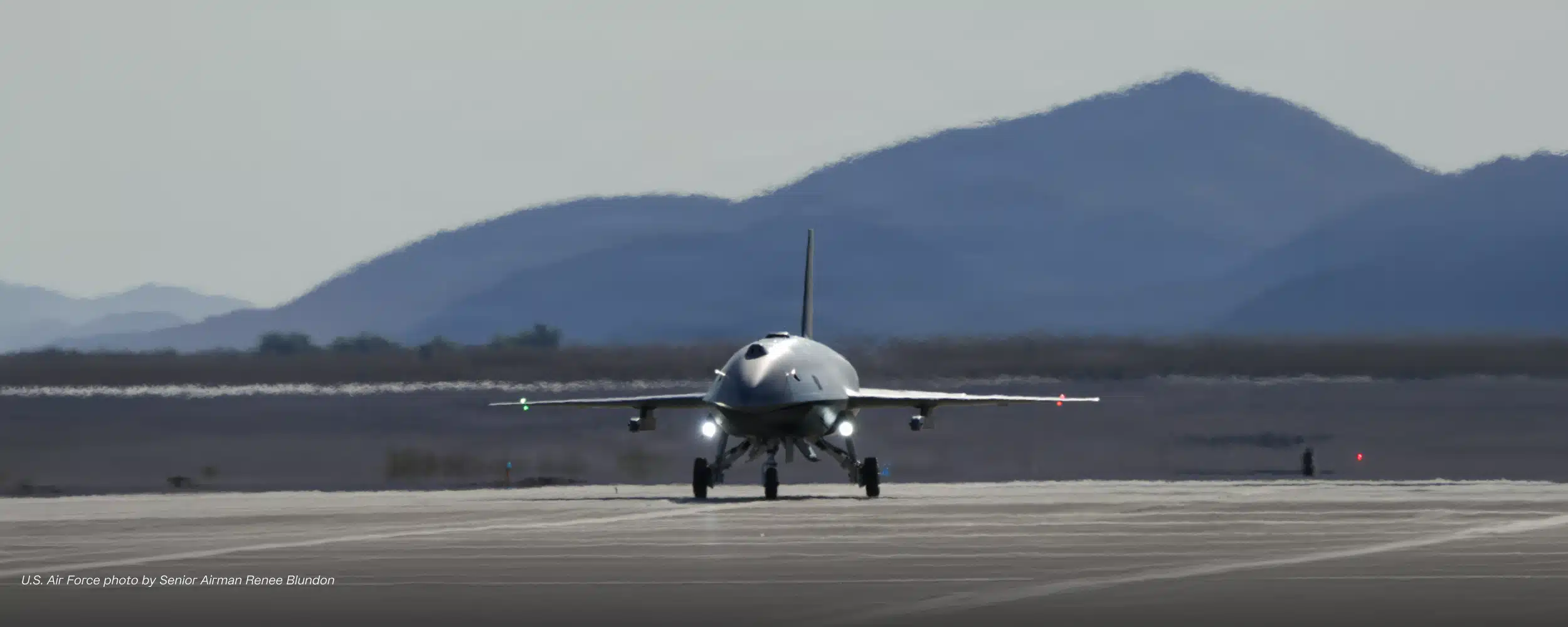
Shield’s Hivemind mission autonomy software has achieved two firsts for the U.S. Air Force’s Collaborative Combat Aircraft program in three weeks: executing directives from an airborne F-22 pilot and enabling multiple CCAs to fly in formation and execute collaborative beyond-visual-range counter-air tactics.
The demonstrations mark a progression from a fighter pilot directing an autonomous teammate to multiple autonomous aircraft maneuvering as a coordinated team, putting the “collaborative” in Collaborative Combat Aircraft.
On October 8, an F-22 pilot served as an airborne “quarterback,” issuing high-level directives to a FQ-44A. Hivemind interpreted and executed those directives in real time, enabling the aircraft to perform dynamic maneuvers and simulated combat tasks under the pilot’s direction.
On October 26, Hivemind enabled multiple CCAs to execute a multi-ship formation and tactical beyond-visual-range air combat maneuvers, demonstrating collaborative mission execution rather than independent aircraft simply operating in the same airspace.
These demonstrations support a model in which human pilots set the direction while mission autonomy translates that direction into coordinated action, expanding what a human-led combat team can accomplish.
“Our mission autonomy, running on each aircraft, seamlessly translates human intent into collaborative actions that deliver the desired mission effect. These flights advance the complex integration of sensors, data links, and interfaces that enable the mission autonomy,” said Todd Wesley, vice president of Hivemind engineering at Shield. “We are excited that the aircraft and mission systems are reaching a level of integration to start showing what Hivemind can really do. Every flight gives us data that goes into the next software release. The combined Hivemind and aircraft software release process is nearing the point where the Air Force can fly a sortie, update the software overnight and fly again the next day. I’m grateful to the Air Force operators, engineers and test teams who fly with us and help us build trust on every flight.”
An Architecture Built for Scalable Advancement
The milestones also illustrate the value of the Air Force’s Autonomy Government Reference Architecture, or A-GRA. By separating mission autonomy from aircraft-specific functions through standardized interfaces, A-GRA creates a path to improve mission software independently of the airframe, preserving competition, and reducing the integration burden of delivering new capabilities.
Each flight test generates critical data that informs the next software release, strengthens confidence in digital models, and supports disciplined decisions about testing and fielding. Shield follows a repeatable cycle of develop, verify, fly, learn, and update across all their aircraft deployments. Improvements and new behaviors on any aircraft in any theater of operation mature Hivemind on all aircraft, limited only by data handling restrictions. This accelerates learning well beyond what any one weapon system test program can deliver.
Built to Scale Beyond One Aircraft
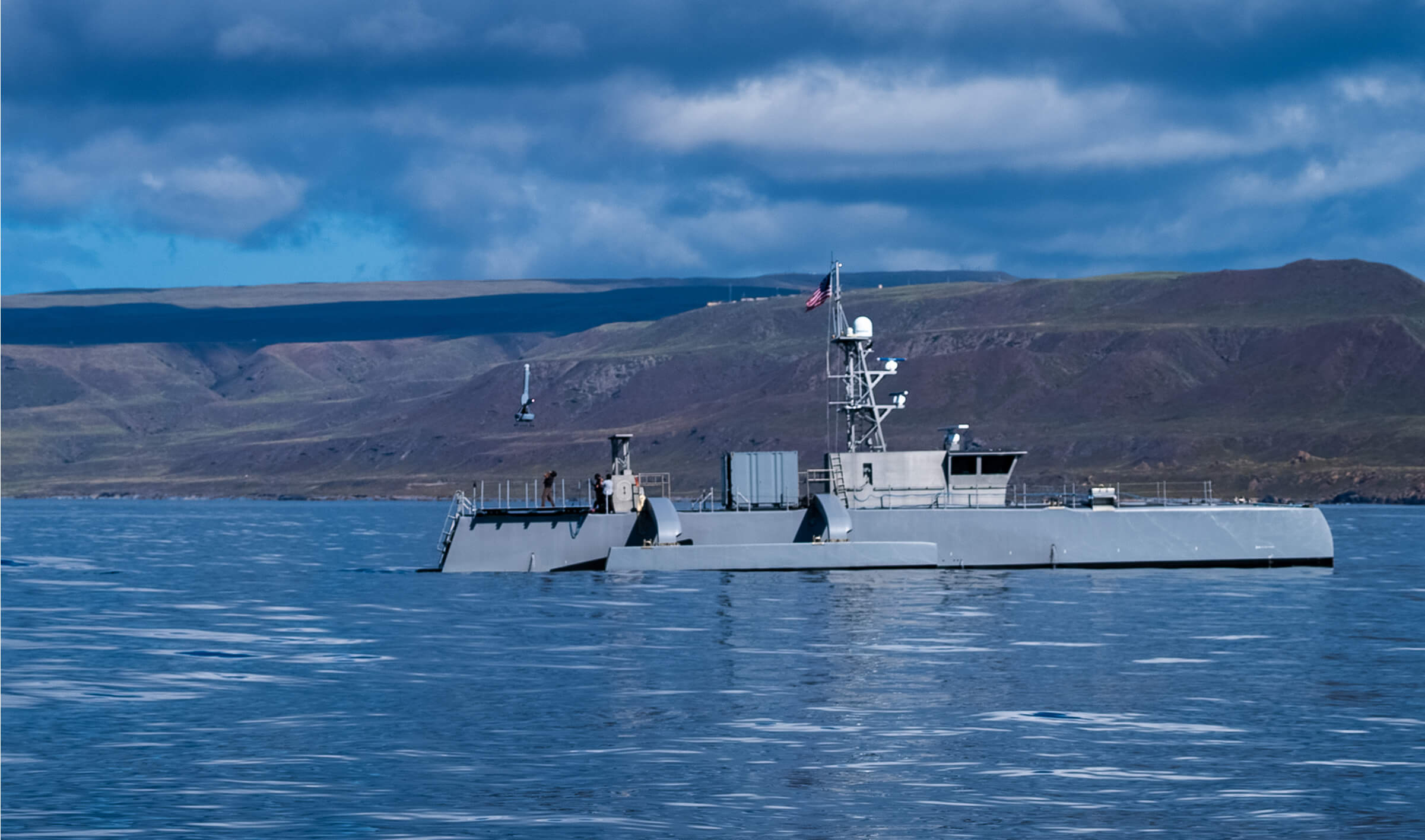
Hivemind’s common software foundation has been integrated on more than 40 uncrewed systems across air, land, sea, and space. This allows tools, interfaces, safety evidence, and integration patterns to carry forward, reducing the need to start from scratch with each new platform.
The CCA flights run on the same common Hivemind software that has been integrated across those platforms, and what the team learns from each flight can be delivered as a software update. Shield will continue testing, assessment, and refinement with the Air Force, and data from these flights will inform that work.